- opendesign.foundation
- Compare
- ProArt PA248CRV vs MateView GT
Asus ProArt PA248CRV vs Huawei MateView GT
What ProArt PA248CRV does better (4) and where MateView GT wins (5) — every spec side by side.
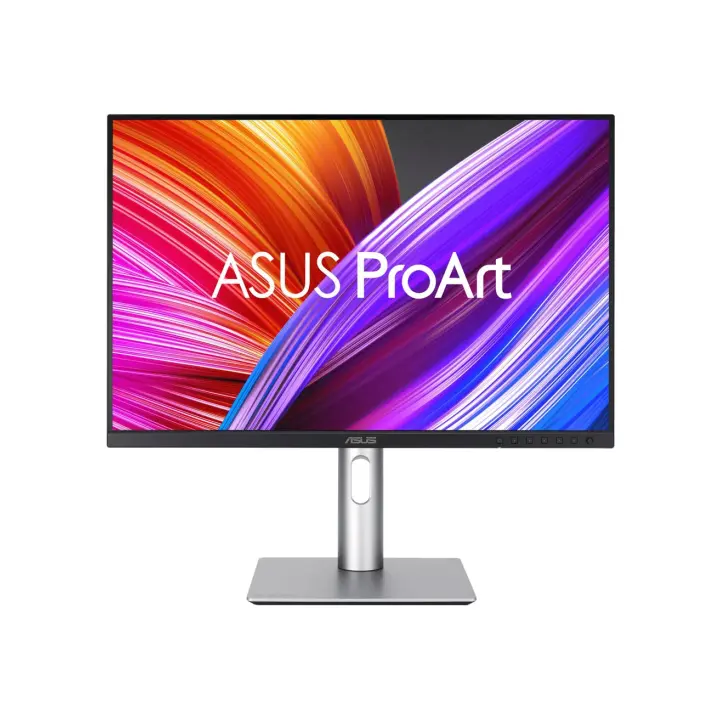
vs
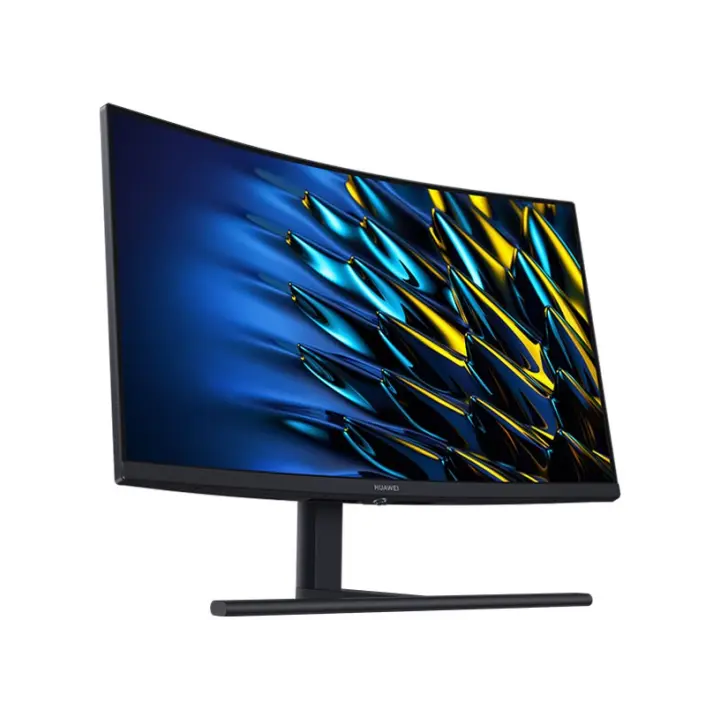
3.1Screen5.8
Dimensions
Size comparison
ProArt PA248CRVMateView GT
| ProArt PA248CRV | MateView GT | Difference | |
|---|---|---|---|
| Height | 529.2 mm | 546 mm | −16.8 mm |
| Width | 531.7 mm | 613 mm | −81.3 mm |
| Depth | 190.4 mm | 224 mm | −33.6 mm |
| Weight | 5.9 kg | 7.8 kg | −1.9 kg |
Drawn to the same scale from the official dimensions (front and side).
Why is ProArt PA248CRV better than MateView GT?
- Panel typeIPS vs VA
- HDMI inputs2 vs 12×
- DCI-P3 coverage97% vs 90%+8%
- Weight5.9 kg vs 7.8 kg+32%
Why is MateView GT better than ProArt PA248CRV?
- Pixel density94 ppi vs 109 ppi+16%
- Contrast ratio (static)1,000:1 vs 4,000:14×
- Refresh rate75 Hz vs 165 Hz2.2×
- Response time5 ms vs 4 ms+25%
- Screen size24.1″ vs 27″+12%
Specifications
Side by side
| Display | ||
| Screen size | 24.1″ | 27″ |
| Resolution | 1920 × 1200 | 2560 × 1440 |
| Resolution class | Full HD | QHD / 2.5K |
| Pixel density | 94 ppi | 109 ppi |
| Aspect ratio | 16:10 | 16:9 |
| Panel type | IPS | VA |
| Refresh rate | 75 Hz | 165 Hz |
| Brightness (typical) | 350 nits | 350 nits |
| Contrast ratio (static) | 1,000:1 | 4,000:1 |
| Response time | 5 ms | 4 ms |
| Anti-glare / matte screen | Yes | — |
| Curved screen | — | Yes |
| Colour | ||
| sRGB coverage | 100% | 100% |
| DCI-P3 coverage | 97% | 90% |
| Colour accuracy (ΔE, claimed) | ΔE 2 | — |
| Colour depth | 8 bit | — |
| HDR | HDR10 | HDR10 |
| Connectivity | ||
| USB-C video input (one cable) | Yes | — |
| USB-C charging (Power Delivery) | 96 W | — |
| HDMI inputs | 2 | 1 |
| DisplayPort inputs | 1 | 1 |
| USB hub | Yes | — |
| Built-in speakers | Yes | — |
| Design & ergonomics | ||
| Height adjustment | 130 mm | — |
| Pivot (portrait rotation) | Yes | — |
| Swivel | Yes | — |
| VESA mount | 100 × 100 mm | — |
| Weight | 5.9 kg | 7.8 kg |
| Width | 532 mm | 613 mm |
| Height | 529 mm | 546 mm |
| Depth | 190 mm | 224 mm |
Related comparisons
 vs
 Asus ProArt PA248CRVvsLG UltraFine 32UN880K
5.75.4
vs
 Asus ProArt PA248CRVvsAsus ProArt PA278CGV
5.76.0
vs
 Asus ProArt PA248CRVvsDell UltraSharp U2724D
5.76.4
vs
 Asus ProArt PA248CRVvsViewSonic VP2776
5.75.8
vs
 Asus ProArt PA248CRVvsHuawei MateView SE
5.76.8
 vs
 Huawei MateView GTvsDell UltraSharp U2422H