- opendesign.foundation
- Compare
- PD3420Q vs ColorEdge CS2731
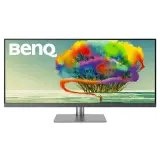
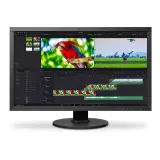
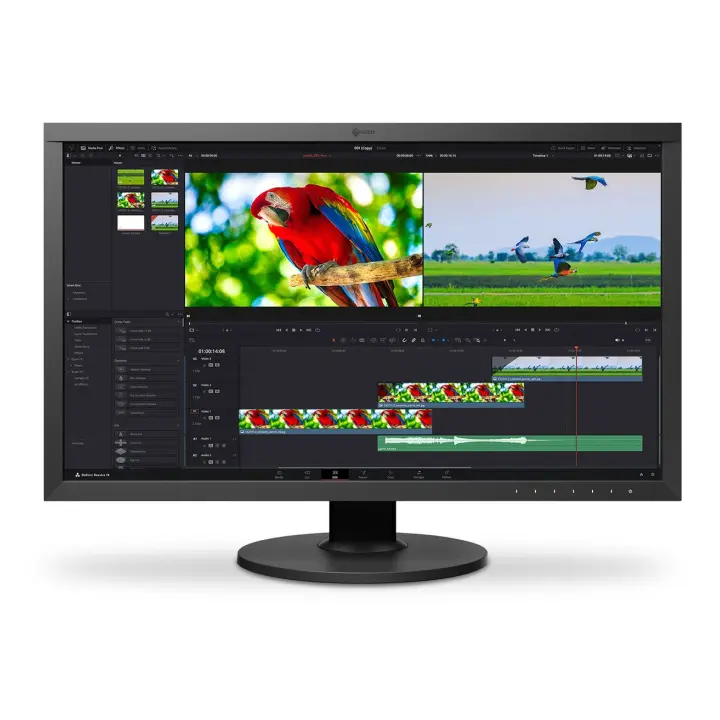
BenQ PD3420Q vs EIZO ColorEdge CS2731
What PD3420Q does better (4) and where ColorEdge CS2731 wins (2) — every spec side by side.
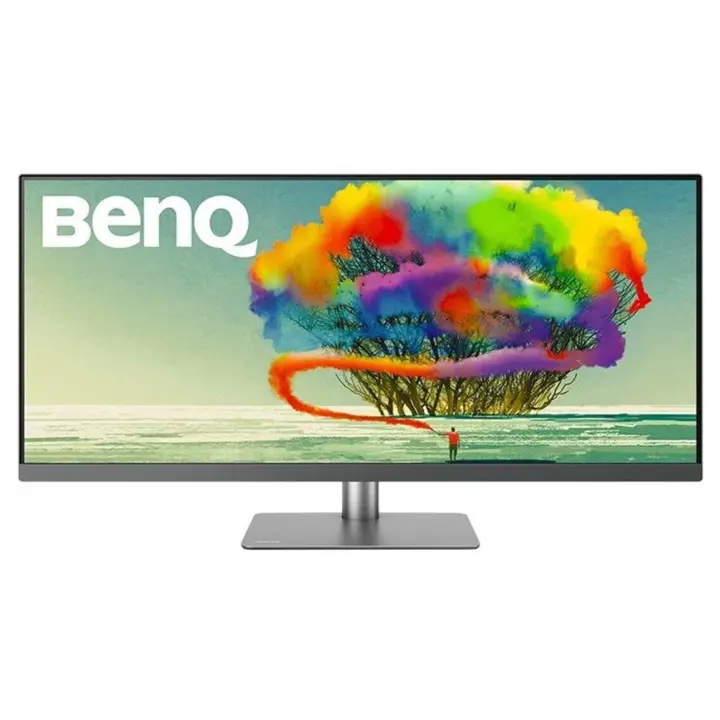
vs
4.2Screen3.5
6.8Colour accuracy7.4
4.5Design & ergonomics7.4
Dimensions
Size comparison
PD3420QColorEdge CS2731
| PD3420Q | ColorEdge CS2731 | Difference | |
|---|---|---|---|
| Height | 445 mm | 404.1 mm | +40.9 mm |
| Width | 826 mm | 638 mm | +188 mm |
| Depth | 244 mm | 265 mm | −21 mm |
| Weight | 9.3 kg | 10.1 kg | −0.8 kg |
Drawn to the same scale from the official dimensions (front and side).
Why is PD3420Q better than ColorEdge CS2731?
- Response time5 ms vs 10 ms2×
- HDMI inputs2 vs 12×
- Screen size34″ vs 27″+26%
- Weight9.3 kg vs 10.1 kg+9%
Why is ColorEdge CS2731 better than PD3420Q?
- Pivot (portrait rotation)No · PD3420Q: Yes
- Height adjustment150 mm vs 155 mm+3%
Specifications
Side by side
| Display | ||
| Screen size | 34″ | 27″ |
| Resolution | 3440 × 1440 | 2560 × 1440 |
| Resolution class | Ultrawide QHD | QHD / 2.5K |
| Pixel density | 109 ppi | 109 ppi |
| Aspect ratio | 21:9 | 16:9 |
| Panel type | IPS | IPS |
| Refresh rate | 60 Hz | 61 Hz |
| Brightness (typical) | 350 nits | 350 nits |
| Contrast ratio (static) | 1,000:1 | 1,000:1 |
| Response time | 5 ms | 10 ms |
| Anti-glare / matte screen | Yes | Yes |
| Colour | ||
| sRGB coverage | 100% | 100% |
| Adobe RGB coverage | — | 99% |
| DCI-P3 coverage | 98% | 99% |
| Colour depth | 10 bit | 10 bit |
| HDR | HDR10 | — |
| Uniformity compensation | — | Yes |
| Connectivity | ||
| USB-C video input (one cable) | — | Yes |
| USB-C charging (Power Delivery) | — | 60 W |
| HDMI inputs | 2 | 1 |
| DisplayPort inputs | 1 | 1 |
| USB hub | Yes | Yes |
| Built-in speakers | Yes | No |
| Design & ergonomics | ||
| Height adjustment | 150 mm | 155 mm |
| Pivot (portrait rotation) | No | Yes |
| Swivel | Yes | Yes |
| VESA mount | — | 100 × 100 mm |
| Weight | 9.3 kg | 10.1 kg |
| Width | 826 mm | 638 mm |
| Height | 445 mm | 404 mm |
| Depth | 244 mm | 265 mm |
| Product line | BenQ DesignVue | — |